Brain rehabilitation exercises, such as recall practice and visual scanning, help seniors rebuild focus, coordination, and everyday skills through short, repeated activities. Start with safe, simple drills you can do consistently, then increase the challenge slowly as confidence returns.
While some slowing down and loss of memory is often taken for granted as a part of aging, it's worth remembering that the American Psychological Association estimates that the vast majority of older Americans will not develop dementia or Alzheimer's, and that a large portion of cognitive decline is avoidable.
Prescott Valley, AZ, sits between the Bradshaw and Mingus mountains, and its calm pace can make it easier to focus on daily practice and steady progress.
After a health event, routine matters. A supportive assisted living community can also help by reducing daily stress, adding structure, and offering social connections that keep motivation strong.
What Are Brain Rehabilitation Exercises?
These exercises train the brain and body to work together again. They focus on skills like attention, balance, planning, and recall.
When you repeat a specific task often, you help the brain strengthen pathways that support daily function. That is a key goal of senior brain health and assisted living therapy.
Try one exercise for thinking and one for movement each day. Keep sessions short. Stop before fatigue sets in.
What Are the Best Brain Rehabilitation Exercises After a Stroke?
For many families, the first question is which activities help most after a stroke. The best choice depends on the senior's current ability and stamina. Good post-stroke support starts with easy wins that feel safe and doable.
Here are five practical options:
- Seated march with taps
- Table-to-table item transfers
- Left-to-right visual scanning
- Simple three-step routines
- Slow mirror arm movements
These drills can double as cognitive rehab for seniors because they build attention, timing, and follow-through at the same time.
Can Guided Movement Improve Attention and Coordination?
Yes, because movement forces the brain to plan, adjust, and stay present. Guided movement also supports confidence, which can reduce fear of trying. Slow, purposeful movement can train focus while improving balance and body control.
Try this approach: pick one movement and one "thinking cue." For example, stand near a counter and shift your weight side to side while counting out loud.
Or take a short indoor walk and name items you see. Keep it calm and steady.
What Memory and Visual Games Support Recovery?
Many seniors do best with simple games that repeat the same skill. You want practice that feels clear, not confusing.
Short mental games work best when they target one skill and stay consistent day to day. Use these as memory recovery tools:
- Three-word recall practice
- Category naming games
- Picture detail describing
- Simple pattern copying
If a task feels too hard, shorten it. If it feels too easy, add one small step. That is often enough to keep progress moving.
How Long Does Brain Rehabilitation Take for Seniors?
Timelines vary. Some seniors notice changes in weeks. Others need months, especially after a major illness.
Progress often shows up as small daily gains, not a sudden jump.
Focus on what is improving. Maybe a senior needs fewer reminders. Maybe they feel steadier when standing.
Track one goal each week to keep the process concrete.
How Can Assisted Living Support Brain Recovery?
Recovery can feel easier when life feels organized. Assisted living can support that by offering predictable routines, engaging activities, and chances to connect with others. A steady daily rhythm can reduce stress and make it easier to practice new skills.
It also helps to set expectations. These communities do not have doctors, cannot prescribe medication, and do not have medical professionals on site. They can help with medication management and reminders, which support consistency.
How to Build a Simple Weekly Rehab Routine
A plan reduces decision fatigue. It also makes it easier for family members to help. The best routine is the one a senior can follow most days without feeling overwhelmed.
Choose two short sessions daily, such as ten minutes each. One can focus on movement and one on thinking.
Keep variety, but keep the structure the same. Here is a sample weekly pattern:
- Mon: movement plus recall
- Tue: scanning plus walking
- Wed: balance plus naming
- Thu: patterns plus routine
- Fri: movement plus recall
- Sat: light review session
- Sun: social activity focus
If you see consistent irritability, restlessness, or sleep trouble, scale back and talk with a qualified healthcare professional.
Frequently Asked Questions
What if a Senior Gets Frustrated During Practice?
Frustration is common, especially when the senior remembers how easy the task used to be. Shorten the exercise, simplify the steps, and end on a win. A calm tone matters. So does a predictable time of day.
Are Brain Rehabilitation Exercises Safe at Home?
Many are safe when you choose low-risk activities and use stable support like a counter or sturdy chair. Avoid challenging balance drills when the senior feels dizzy or tired.
Do Brain Games Help With Dementia?
Games may help with attention and engagement, but results vary by person and stage. Focus on comfort, repetition, and enjoyment. If the senior becomes anxious or agitated, switch to something soothing like music, conversation, or a familiar activity.
How Often Should Seniors Do These Exercises?
Most people do best with short practice most days of the week. Consistency matters more than intensity.
If the senior needs rest days, that is fine. Keep the routine gentle and repeatable.
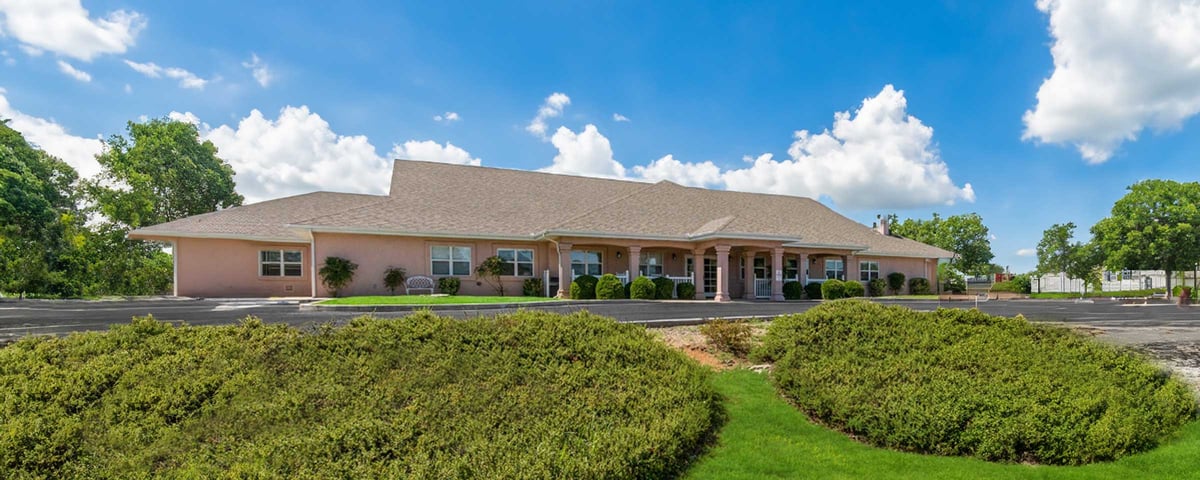
Rebuilding Confidence at Glassford Place in Prescott Valley
Brain rehabilitation exercises work best when they feel safe, consistent, and encouraging. If you keep sessions short and track small gains, many seniors feel more capable over time.
At Glassford Place in Prescott Valley, residents can enjoy a welcoming assisted living community with award-winning Elevate® culinary offerings, a resident-inspired Vibrant Life® calendar, and a Path to Wellness approach that supports mind, body, and spirit. The community can also help with medication management and daily routines, which can free up time and energy for practice. Remember, the community does not have doctors and cannot prescribe medication.
If you want to see how Glassford Place can support recovery, connection, and confidence in a mountain-town setting, schedule a tour and explore the lifestyle, amenities, and supportive routines available.