For many families, the family home is more than a financial asset. It holds memories, provides security, and may still be occupied by a spouse or other loved one. That's why one of the most common questions families ask is whether it's possible to pay for assisted living without selling the house.
The answer is often yes.
Several assisted living payment options for keeping home ownership intact may allow families to preserve this important asset while covering the cost of senior living. The right solution depends on your finances, long-term goals, and how quickly support is needed.
Use Home Equity While Keeping Ownership
One of the most common alternatives to selling a house for care is using the equity that has built up over time.
Options may include:
- A reverse mortgage for eligible homeowners age 62 and older
- A home equity line of credit (HELOC)
- A traditional home equity loan
- Refinancing an existing mortgage
Each approach provides access to funds without requiring an immediate sale. Families considering this option should review independent reverse mortgage information before making a decision.
Before moving forward, it's important to understand the long-term costs and obligations associated with any loan product.
Turn the Home Into an Income Source
When a loved one moves into assisted living, some families choose to rent out the property rather than sell it.
Rental income can help offset monthly senior living expenses while allowing the family to retain ownership of the home. In some cases, a long-term tenant may generate enough income to cover a significant portion of monthly costs.
Of course, becoming a landlord comes with responsibilities. Property management fees, maintenance expenses, and vacancy periods should all be factored into the decision. For families exploring assisted living payment options that keep home ownership intact, rental income is often worth considering.
Understand Medicaid Rules Before Making Decisions
Many people assume they must sell their home before qualifying for Medicaid. In reality, a primary residence is often treated differently than other assets.
Eligibility rules vary by state, but Medicaid planning may help some families preserve the home while still accessing benefits.
Important factors include:
- Asset limits
- Income requirements
- Medicaid waiver programs
- Five-year look-back rules
Because the regulations can be complex, an elder law attorney can help families avoid costly mistakes and understand which assisted living financial strategies may fit their situation.
Explore Veterans Benefits
Veterans and surviving spouses may qualify for Aid & Attendance benefits through the Department of Veterans Affairs.
This benefit can provide additional monthly income that helps pay for assisted living expenses without requiring the sale of a home or other major assets.
Many eligible families never apply simply because they are unaware the benefit exists. A local veterans service officer can often help determine eligibility and assist with the application process.
Review Insurance and Retirement Resources
Long-term care insurance can be a valuable tool for financing senior care without home sale concerns. Depending on the policy, benefits may help cover assisted living expenses and other long-term support needs.
Some families also use:
- Retirement account distributions
- Pension income
- Social Security benefits
- Investment income
- Hybrid life insurance policies with long-term care riders
When combined, these resources may reduce or eliminate the need to sell the family home.
Create a Plan Before a Crisis Occurs
Families generally have more options when they begin planning before an urgent move becomes necessary.
Meeting with a financial planner, elder law attorney, or senior living advisor can help identify realistic funding sources and create a sustainable strategy. Even a few months of preparation can make a significant difference when evaluating how to pay for assisted living without selling the house.
Looking Beyond the Home
While preserving the family home is often a priority, it is also important to consider the value included in a senior living community.
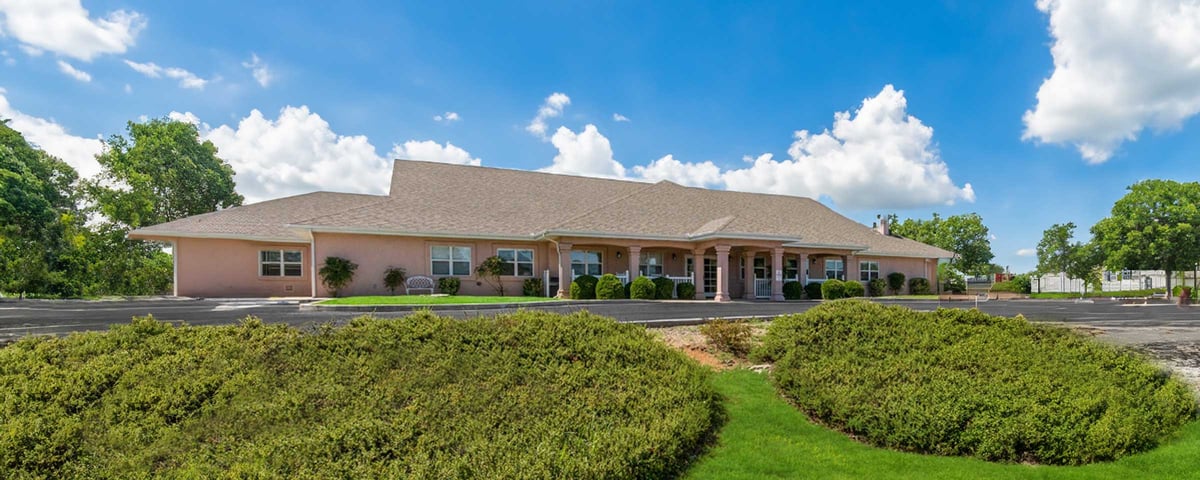
Glassford Place Senior Living offers Assisted Living in Prescott Valley, along with chef-prepared meals through Elevate® Dining, engaging daily opportunities through Vibrant Life®, housekeeping, scheduled transportation, and access to a professional salon and barbershop.
For many families, learning more about life at Glassford Place helps put the overall value of senior living into perspective. Comparing these included services with the ongoing costs of maintaining a home often creates a clearer financial picture and may reveal additional ways to keep the family home while paying for care.
Schedule a personalized tour to see how Assisted Living at Glassford Place Senior Living can simplify daily life while providing the support you need.