Summary
Transitional care after hospital discharge provides a crucial bridge between the hospital and safe recovery at home or in a supportive senior living community. Understanding your options before discharge helps you choose the right level of support for your loved one's healing journey.
- Post-hospital care typically includes medication management, wellness monitoring, physical therapy, assistance with daily routines, and nutritious meals to support recovery
- Short-term rehabilitation focuses on intensive therapy following surgery or serious medical events with the goal of safely transitioning to the next setting
- Assisted Living communities provide ongoing daily support for those who don't require around-the-clock skilled nursing care
- Thoughtful discharge planning before leaving the hospital helps identify ongoing needs, medication schedules, therapy recommendations, and warning signs to watch for
- Reassessing needs throughout recovery ensures your loved one receives appropriate support as circumstances change, and communities like Glassford Place offer consistent routines and reliable care to encourage confidence during healing
When a loved one is ready to leave the hospital, it's natural to feel relieved while also wondering what comes next. Recovery doesn't end at discharge. For many seniors, transitional care after hospital discharge provides an important bridge between the hospital and a safe return to everyday life. Whether recovery takes place at home or in a supportive senior living community, having the right resources in place can help reduce stress and encourage better outcomes.
This period often includes therapy, medication support, and assistance with daily routines while strength and confidence return. Understanding your options before discharge makes it easier to choose the level of support that best fits your loved one's needs.
What Post-Hospital Care for Older Adults Includes
Post-hospital care for older adults often combines medical follow-up with practical day-to-day support to encourage healing after an illness, injury, or surgery. Depending on individual needs, recovery services may include:
- Medication management, wellness monitoring, and coordination with physicians
- Physical, occupational, or speech therapy to rebuild strength, mobility, and daily living skills
- Assistance with bathing, dressing, meals, and other daily routines while recovery progresses
Nutritious meals also play an important role in recovery care after hospitalization, helping older adults regain energy while supporting overall wellness.
Short Term Rehab vs Assisted Living: Understanding the Difference
Families often compare short term rehab vs assisted living when deciding what comes after a hospital stay. Although both provide valuable support, they serve different purposes.
Short-term rehabilitation focuses on intensive therapy following surgery, stroke, or another serious medical event. These stays are typically temporary, goal-oriented, and often covered by Medicare when eligibility requirements are met. The primary objective is helping someone recover enough to safely transition to their next setting.
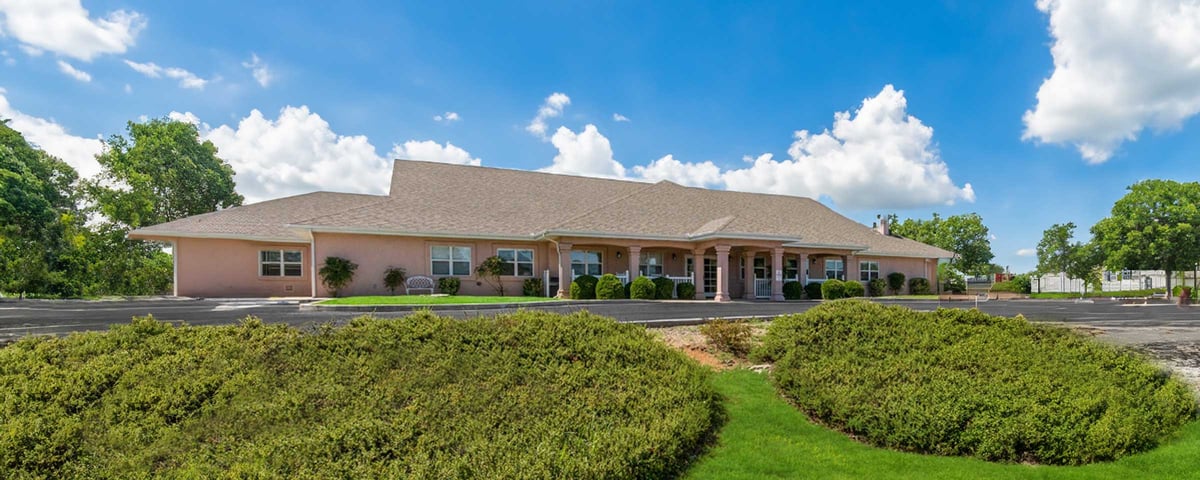
Glassford Place offers assisted living in Prescott Valley for older adults who need ongoing support with daily living but do not require around-the-clock skilled nursing. Residents benefit from personalized assistance, restaurant-style dining through Elevate® Dining, engaging Vibrant Life® programming, and comfortable shared spaces that encourage connection throughout recovery and beyond. For some individuals, this type of supportive environment is the right next step after rehabilitation has ended.
The Importance of Discharge Planning for Aging Parents
Thoughtful discharge planning for aging parents begins before your loved one leaves the hospital. Hospital social workers and discharge coordinators help evaluate ongoing needs, recommend services, and coordinate follow-up care. Families can make these conversations more productive by asking about:
- Medication schedules and follow-up appointments
- Therapy recommendations and exercises to continue after discharge
- Warning signs that require immediate medical attention
If caring for your loved one at home feels overwhelming, be honest about your concerns. Open communication allows the discharge team to recommend additional resources, arrange equipment, or suggest senior living options that provide the right level of daily support.
Recognizing When Additional Support May Be Needed
Sometimes what comes after a hospital stay involves more assistance than families originally expected. Common signs that extra support could be beneficial include:
- Difficulty managing medications or missing doses
- Limited mobility that continues despite therapy
- Family caregivers feeling physically or emotionally overwhelmed
These situations simply indicate that additional support may improve recovery and quality of life. Reassessing needs throughout the healing process helps ensure your loved one receives the appropriate level of assistance as circumstances change.
Supporting Recovery at Glassford Place
While every recovery journey is different, having consistent routines and reliable support can make the transition easier. At Glassford Place, Associates work closely with residents and their families to create comfortable daily routines that encourage confidence and independence. Health & Wellness programs, chef-prepared meals through Elevate® Dining, beautiful outdoor courtyards, a professional salon and barbershop, and engaging Vibrant Life® events help residents remain engaged and connected while they continue recovering.
Combined with regular communication between physicians, therapy providers, and family members, this supportive environment helps many older adults focus on healing while enjoying meaningful daily experiences.
Moving Forward With Confidence
Recovery after hospitalization takes time, and every person's journey looks different. Some older adults regain their strength within a few weeks, while others benefit from ongoing support over a longer period. Staying flexible, celebrating progress, and choosing the right environment can make the transition smoother for everyone involved.
If you're exploring the next step after a hospital stay, schedule a tour of Glassford Place to see how our community can help make recovery feel more comfortable and supportive.