Most people expect an occasional stumble as they age. What raises concern is when those incidents become part of a pattern. Frequent falls in older adults at home can signal changes in strength, balance, vision, or overall mobility that deserve closer attention.
For families, the challenge is knowing when a fall is simply an accident and when it points to a larger issue. Recognizing the difference can help prevent injuries and support better long-term decisions.
Many families first notice concerns when a parent is falling often while living alone. What begins as a minor slip in the kitchen or a stumble while getting out of bed can gradually become a recurring problem.
Looking Beyond the Fall Itself
A fall is sometimes the result of changes that have been developing for months.
Some of the most common mobility decline warning signs include:
- Holding onto furniture while walking
- Moving more slowly than usual
- Difficulty standing from a chair
- Hesitation on stairs or uneven surfaces
- Shorter, shuffling steps
Families may also notice changes in daily habits. A loved one who once enjoyed shopping, visiting friends, or taking walks may begin staying home more often. In some cases, avoiding certain tasks is a response to growing concerns about balance and stability.
These changes often contribute to a higher fall risk in aging adults long before a serious injury occurs. Learning more about the causes and prevention of falls and fractures can help families better understand the factors that may be increasing risk.
Why Repeated Falls Matter
One fall can happen to anyone. Multiple falls within a short period deserve a closer look.
Repeated falls and safety concerns often create a cycle that becomes difficult to break. After a fall, many older adults become more cautious about moving around. They may walk less, spend more time sitting, and avoid activities they once enjoyed.
Unfortunately, reduced movement can lead to further muscle weakness and decreased balance. As mobility declines, the likelihood of another fall increases.
If falls are occurring regularly, it can be helpful to keep notes about:
- Where the fall happened
- What activity was taking place
- Whether the individual felt dizzy, weak, or unsteady beforehand
- Any recent medication or health changes
Understanding common strategies for preventing falls and hip fractures may also help families identify practical steps to improve safety at home.
Is the Home Still the Safest Environment?
As mobility changes, everyday spaces can become more challenging than they once were.
Common household hazards include:
- Throw rugs and uneven flooring
- Poor lighting
- Cluttered walkways
- Bathrooms without grab bars
- Stairs that require frequent use
Home modifications can certainly help. However, they do not address every concern. One of the biggest risks occurs when someone falls and cannot easily get help.
This is why families often become increasingly concerned when a parent is falling often while living alone. Even a relatively minor fall can become more serious if assistance is unavailable for an extended period.
The question becomes less about the fall itself and more about what happens afterward. Exploring life at Glassford Place can help families compare the challenges of living alone with the benefits of a community setting that offers dining, housekeeping, transportation, wellness opportunities, and a built-in social network.
When Falls May Mean Assisted Living Is Needed
There is no specific number of falls that automatically signals that a move is necessary. Instead, families should consider how those incidents are affecting daily life.
When falls may mean assisted living is needed often depends on factors such as:
- Increasing fall frequency
- Injuries that require medical attention
- Fear of falling that limits daily routines
- Difficulty managing household responsibilities
- Growing concerns from family members
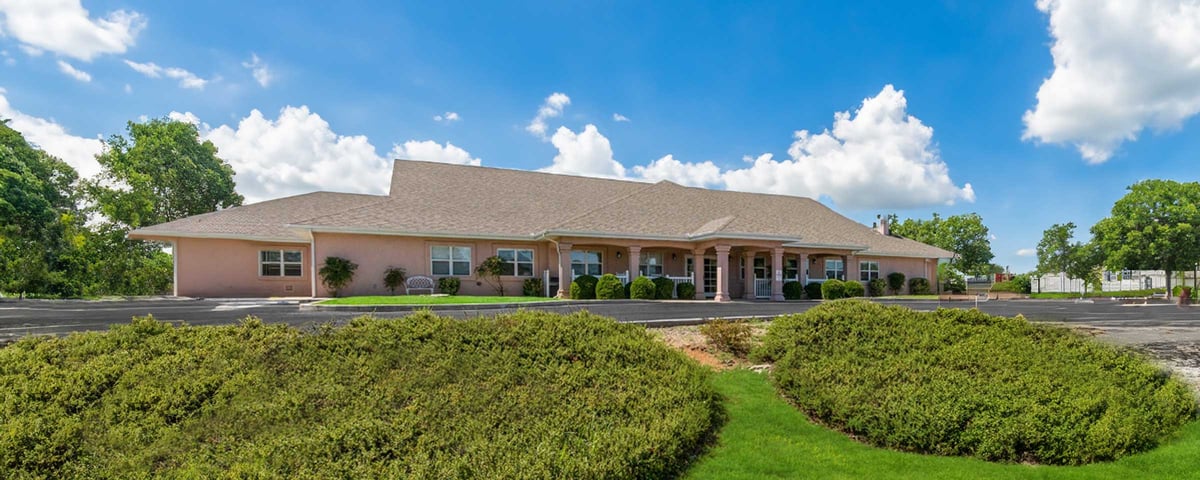
Glassford Place in Prescott Valley offers Assisted Living for older adults who may benefit from help with daily activities while continuing to enjoy meaningful routines and social connections. Associates are available to provide personalized assistance, while residents enjoy restaurant-style dining through Elevate® Dining, engaging Vibrant Life® programs, and opportunities to connect with friends and neighbors throughout the day.
For many families, the goal is not simply preventing falls. It is helping a loved one maintain confidence, remain engaged, and continue enjoying everyday life.
Concerned about a loved one’s mobility or safety at home? Schedule a personalized tour to learn how Glassford Place can provide support, connection, and added peace of mind.